
Water-based Acrylic Resin

KC-301
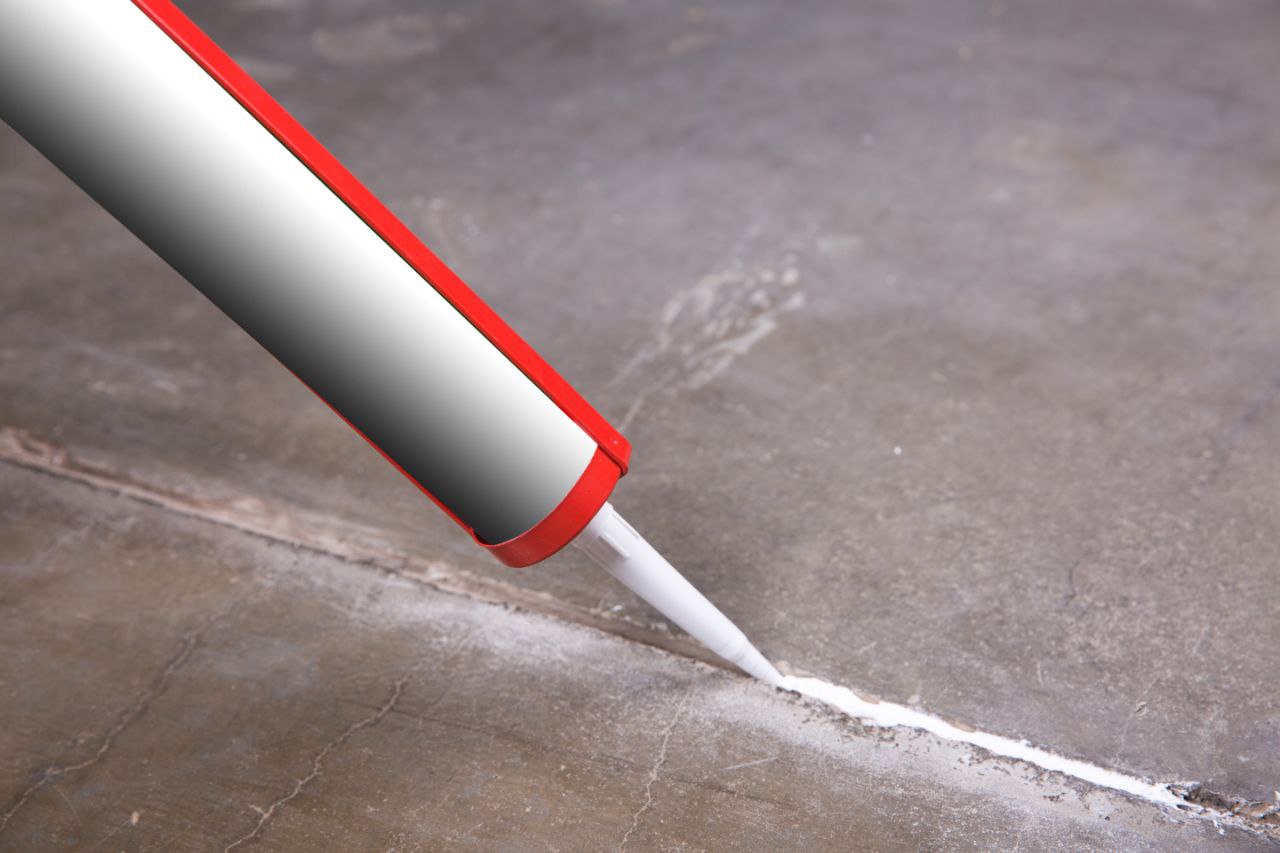
KC-301 is a cross-linkable styrene acrylic emulsion resin. KC-301 is designed for adhesion cellulose Pads. It is used as a sealant for metal, cement and tile surfaces.Download Datasheet Storage Conditions
KC-302
KC-302 is an Acrylic-Styrene emulsion resin. KC-302 is recommended for use in fabric finishing operations, creating soft fibers, connecting non-woven fabrics, laminating different surfaces, and covering paper surfaces.Download Datasheet Storage Conditions
KC-303
KC-303 is an Acrylic-Styrene emulsion resin. KC-303 is a cross linkable emulsion resin that is used for adhesion cellulose Pads. It is used as a sealant for metal, cement and tile surfaces.Download Datasheet Storage Conditions
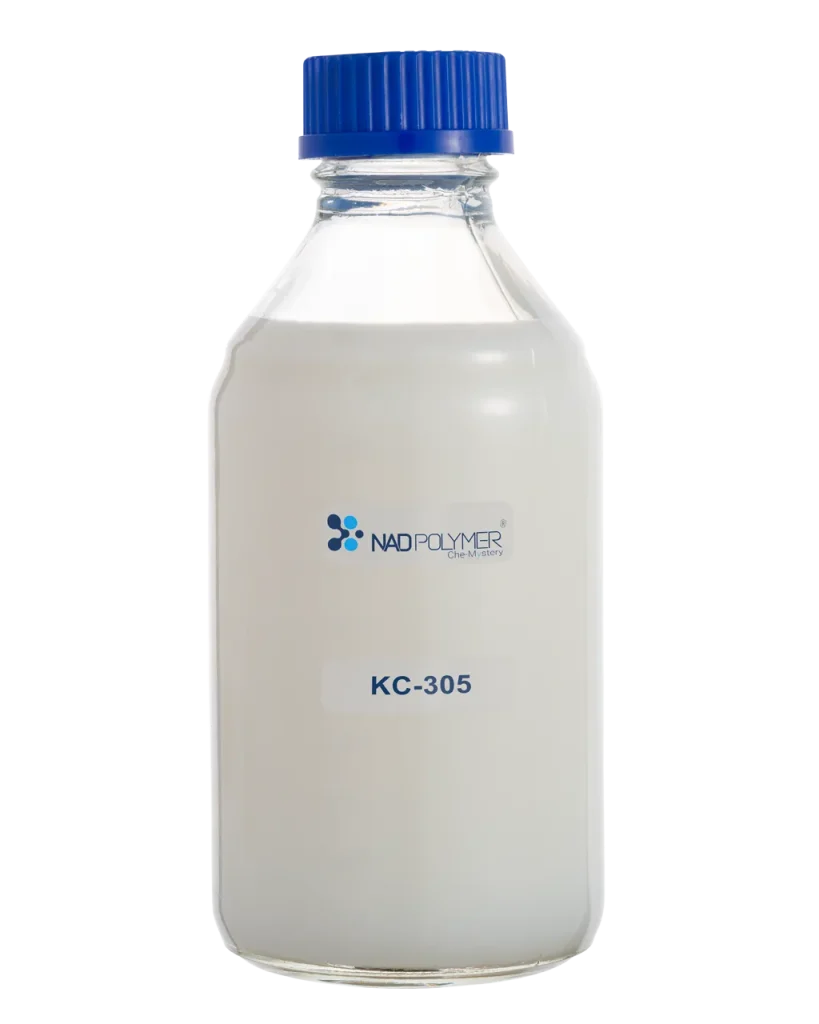
KC-305
KC-305 is a Pure - Acrylic emulsion resin. KC-305 is designed for pressure-sensitive adhesives with the following specifications: Excellent water resistant and Weatherability & Fine particle size & High gloss & Good adhesion to Low Surface Energy substrates.Download Datasheet Storage Conditions
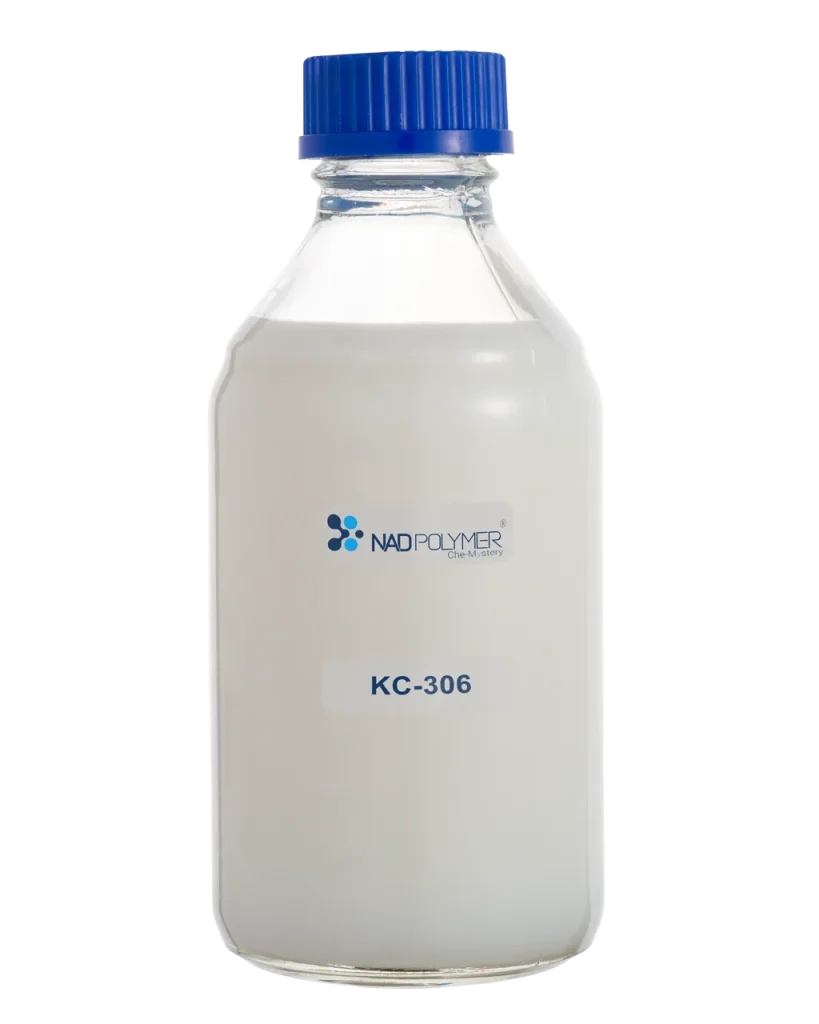
KC-306
KC-306 is an Acrylic-Styrene emulsion resin. KC-306 is a cross linkable emulsion resin that is used for adhesion cellulose Pads. It is used as
a sealant for metal, cement and tile surfaces.Download Datasheet Storage Conditions
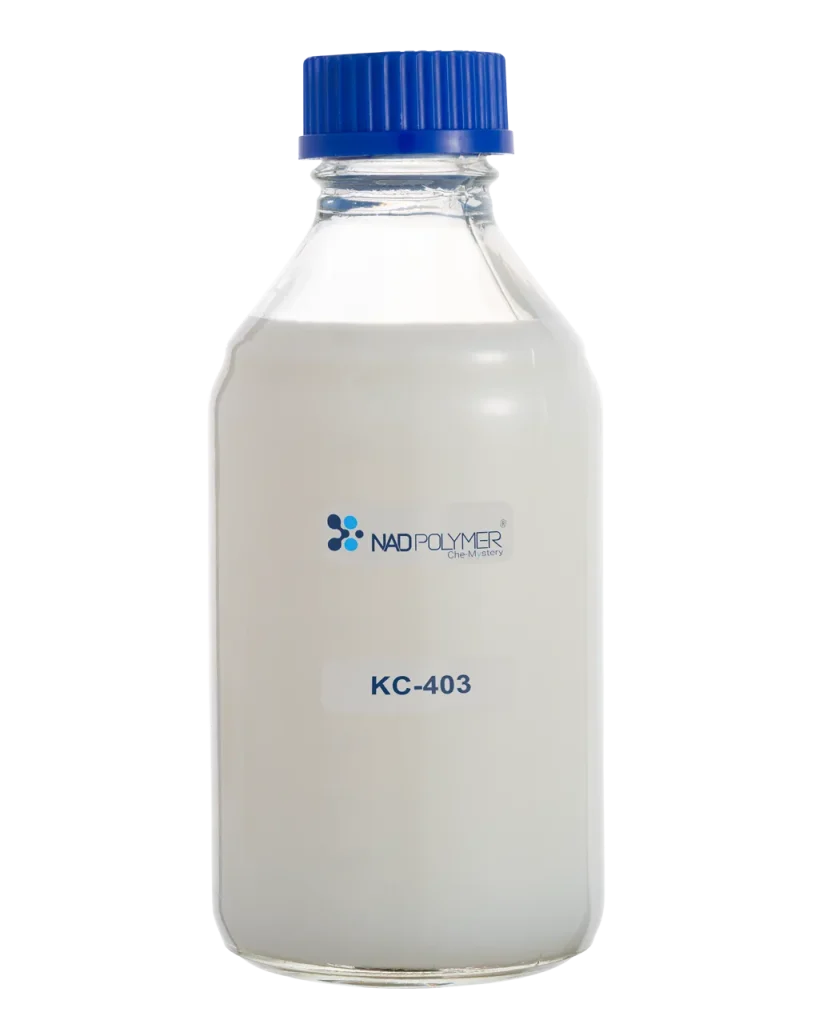
KC-403
KC-403 is an Acrylic-Styrene emulsion resin. KC-403 is designed for outdoor and indoor paints.Download Datasheet Storage Conditions


