
Phenolic Resin
KC-201
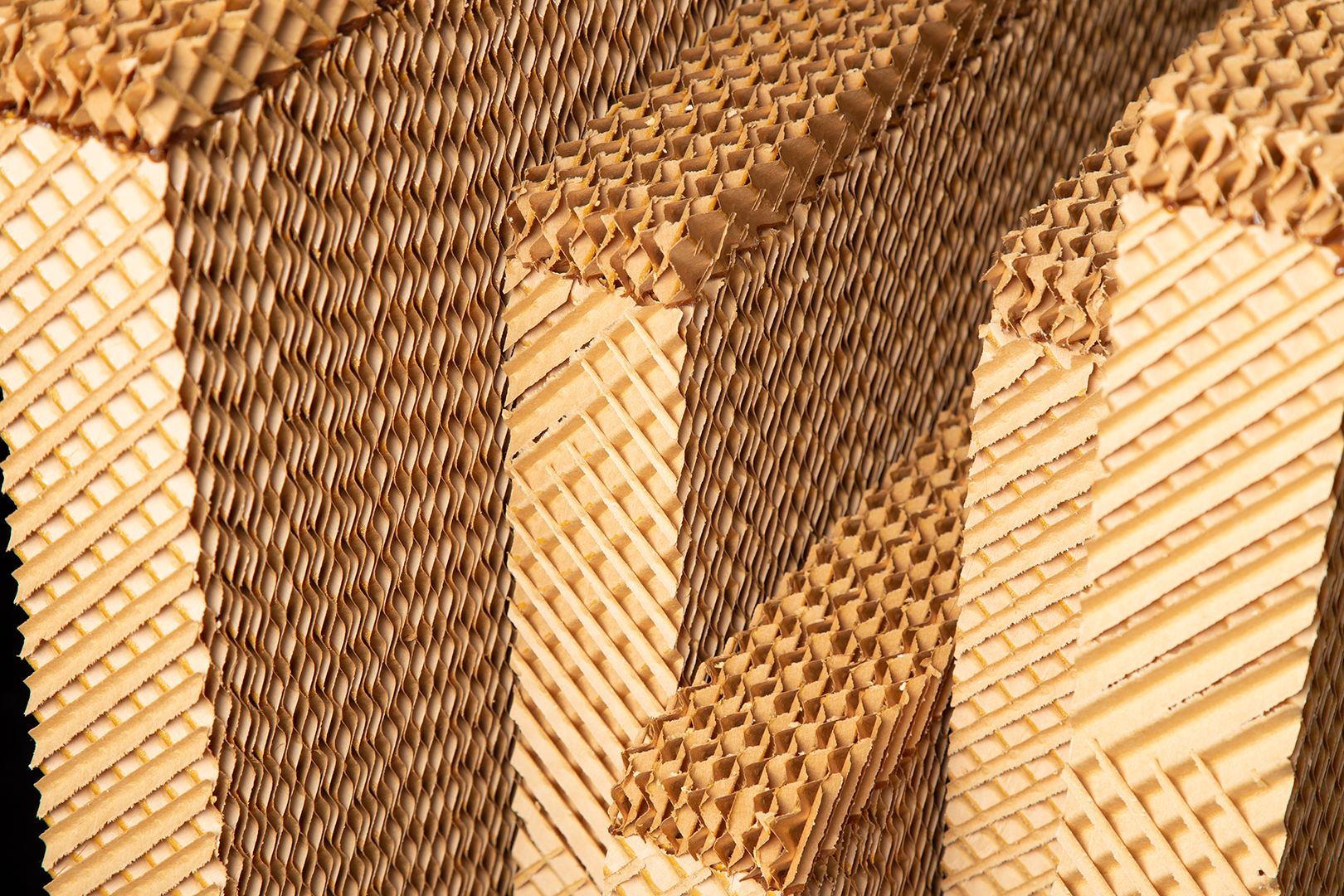
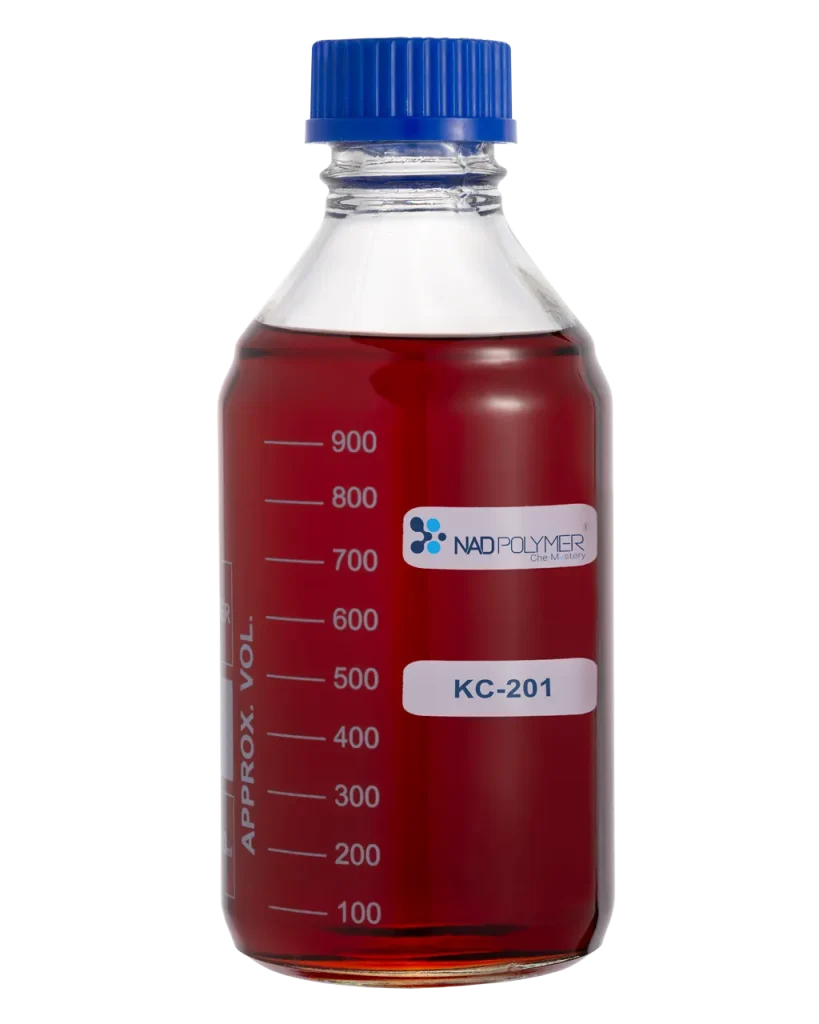
KC-201 is a Liquid phenolic resole resin. KC-201 is used for impregnation and coating of paper and fabric.Download Datasheet Storage Conditions
KC-204
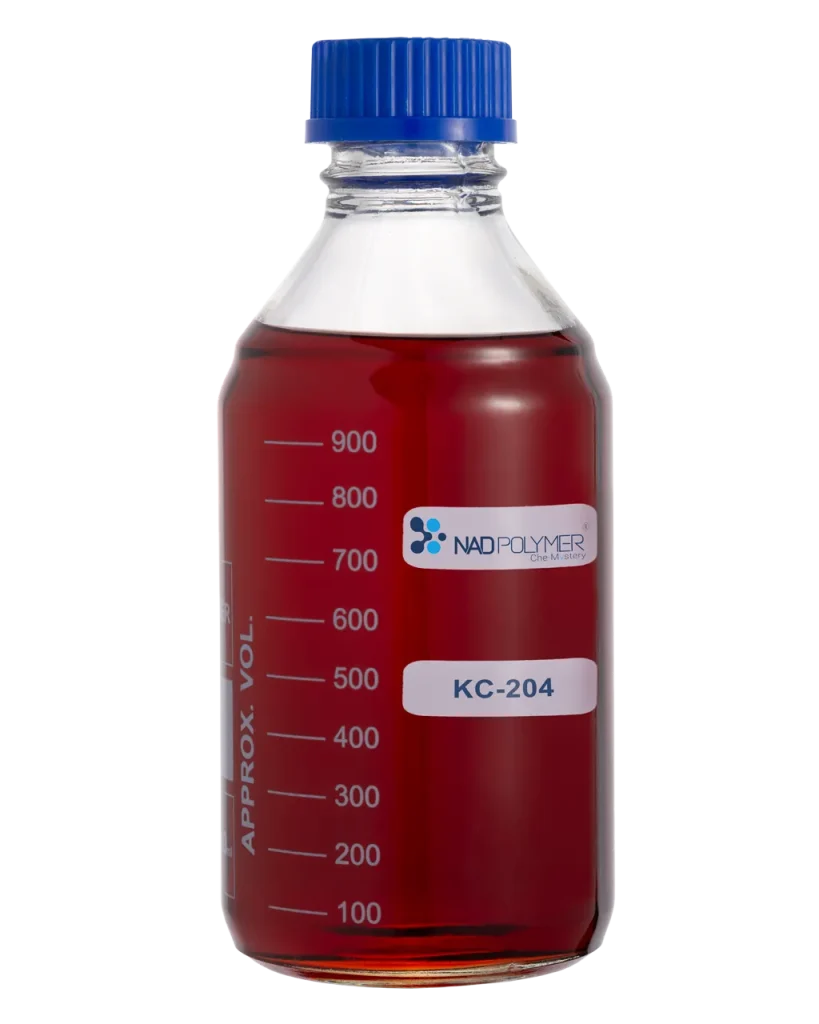
KC-204 is a liquid phenolic resole resin modified with urea-formaldehyde resin. KC-204 is a binder in the production of mineral insulation same as glass wool, rock wool or other mineral fibers.Download Datasheet Storage Conditions
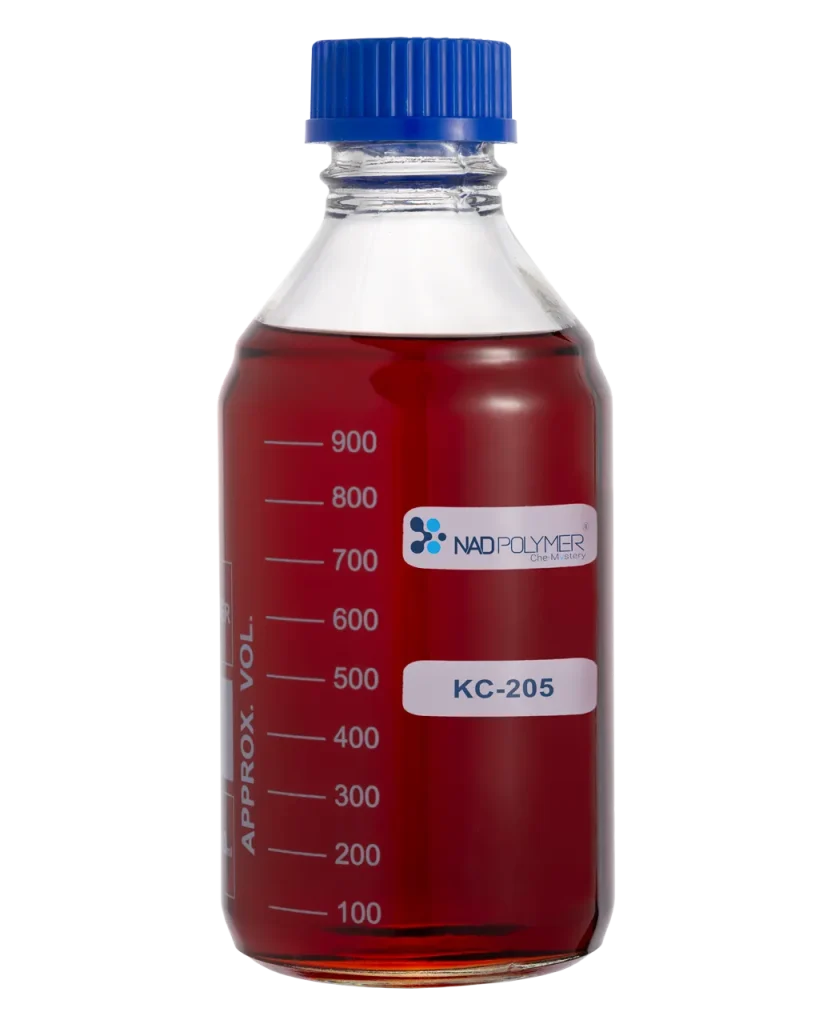
KC-205
KC-205 is a Liquid phenolic resole resin. KC-205 is used in the production of high pressure laminates (HPL).Download Datasheet Storage Conditions
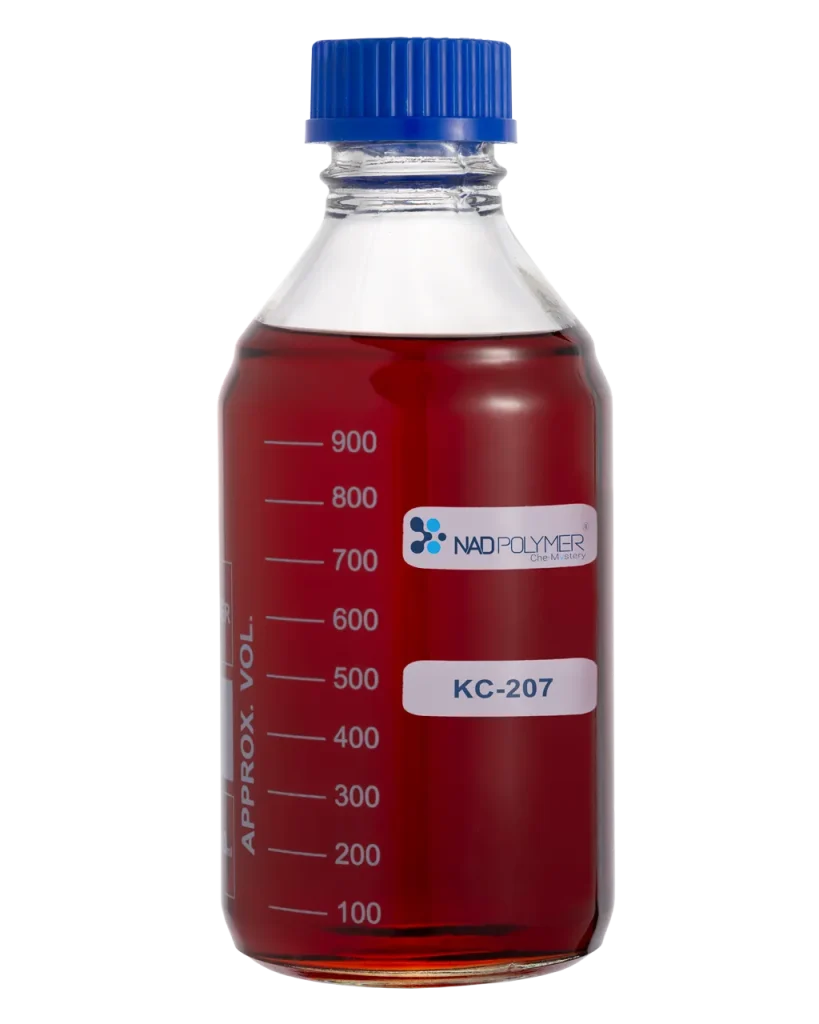
KC-207
KC-207 is a Liquid phenolic resole resin. KC-207 is used in the production of grinding wheels and bonded abrasives.Download Datasheet Storage Conditions
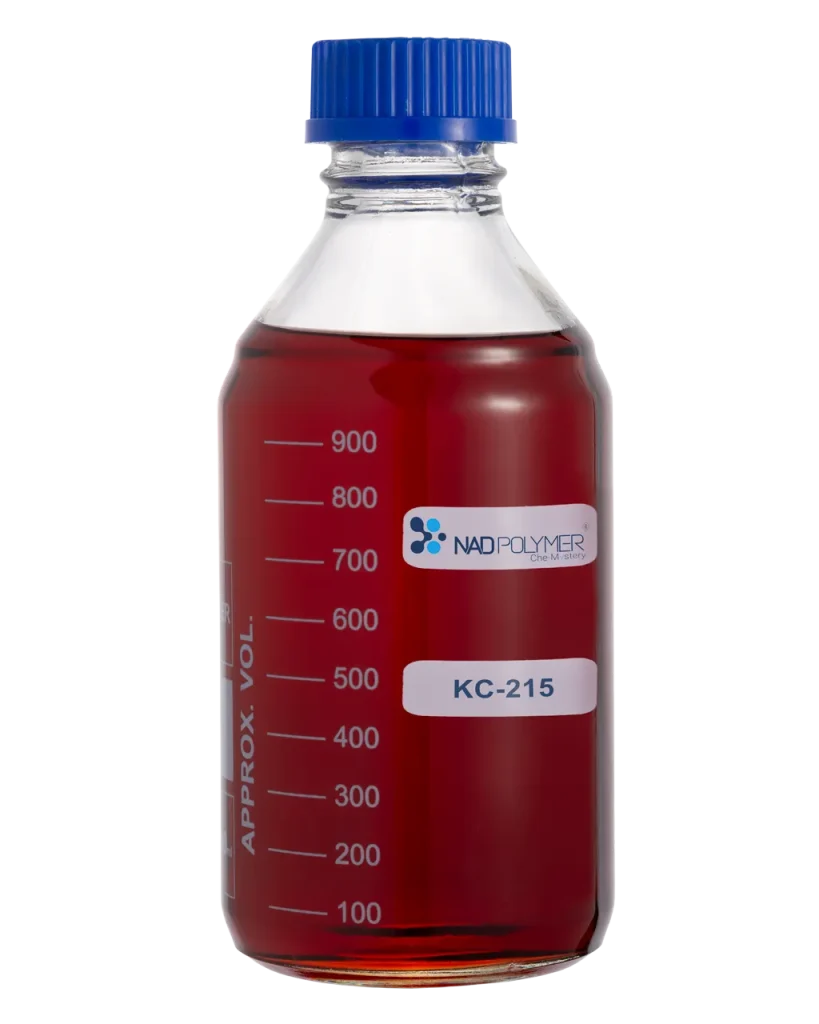
KC-215
KC-215 is a high molecular weight Liquid phenolic resole resin. KC-215 is used for Foam production.Download Datasheet Storage Conditions


